
Diabetes Tests
- Home
- Routine Lab Tests
- Diabetes Tests
What are Diabetes Tests?
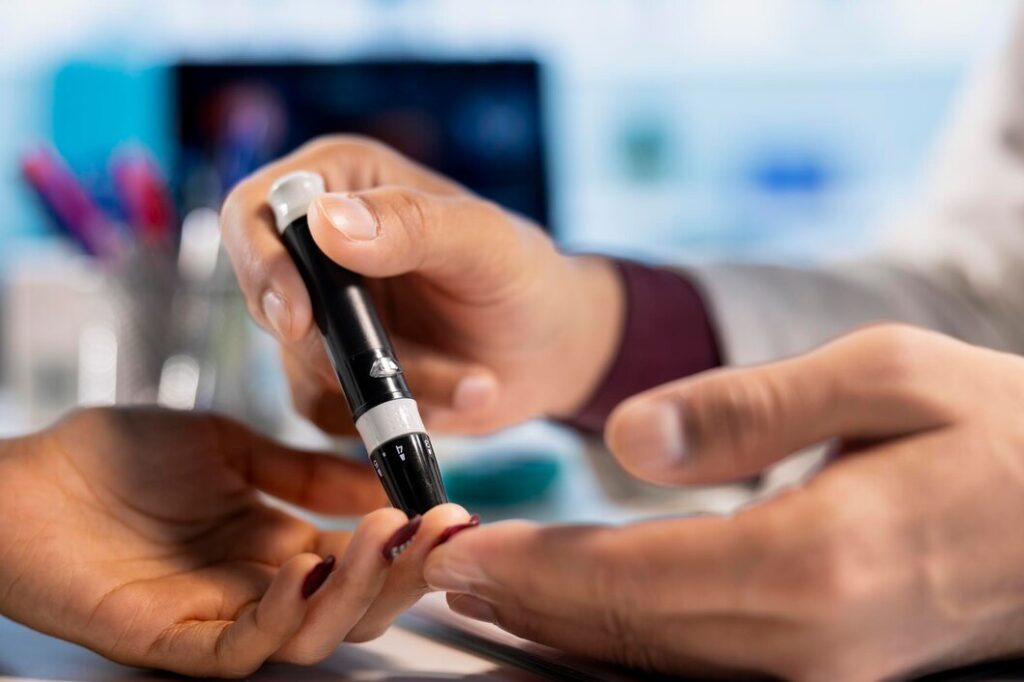
Why are Diabetes Tests important?
- Detect diabetes early
- Monitor response to treatment
- Prevent long-term complications like kidney, eye, and heart disease
Which tests are included in a Diabetes Profile at Mitra Diagnostics?
- Fasting Blood Sugar (FBS) – Blood sugar after 8–10 hours of fasting
- Postprandial Blood Sugar (PPBS) – Blood sugar 2 hours after eating
- HbA1c (Glycated Hemoglobin) – Average blood sugar over the last 3 months
- Urine Sugar & Urine Ketones – To check sugar and ketone presence in urine
- Sometimes Lipid Profile & Kidney Function Tests – for overall diabetes assessment
Why choose Mitra Diagnostics for Diabetes Testing?
- Advanced automated analyzers for accurate sugar estimation
- Pathologist-verified reports
- Same-day results
- Home collection & online access
- Lifetime discounts with the Mitra Health Card
Contact Us
- 072076 10053
- 040 35511069
- Panchayatiraj Teachers Colony, B.N Reddy Nagar, Hyderabad
More Frequently Asked Questions
What is the difference between FBS, PPBS, and HbA1c?
- – FBS: Measures glucose after fasting overnight
- – PPBS: Measures glucose after a meal
- – HbA1c: Reflects long-term sugar control over the past 2–3 months
Together, they provide a complete picture of diabetes control.
Do I need to fast before a Diabetes Test?
- – Yes. For FBS, fasting for 8–10 hours is required (no food or drink except water).
- – For PPBS, blood is collected 2 hours after your main meal.
- – No fasting is required for HbA1c.
What are the normal ranges?
Typical values (may vary slightly by lab):
- – Fasting Blood Sugar: 70 – 99 mg/dL (normal)
- – Postprandial Blood Sugar: < 140 mg/dL (normal)
- – HbA1c: < 5.7% (normal)
- — 5.7–6.4% → Prediabetes
- — ≥ 6.5% → Diabetes
What are the symptoms of diabetes?
Common signs include:
- – Increased thirst and urination
- – Fatigue or weakness
- – Blurred vision
- – Unexplained weight loss
- – Slow-healing wounds or frequent infections
If you have these symptoms, you should get tested immediately.
Can I have diabetes even without symptoms?
Yes. Many people, especially with a family history or obesity, may have silent diabetes. Regular screening is important after age 30 or if you’re at risk.
How often should I get tested for diabetes?
- – Once a year after age 30 for routine health check-ups
- – Every 3–6 months if you are diabetic or under treatment
- – As recommended by your doctor based on risk factors
Can stress or illness affect blood sugar?
Yes. Stress, infections, and certain medications (like steroids) can temporarily raise blood sugar levels.
Your doctor may advise retesting after recovery.
How is the blood sample collected?
A small blood sample is taken from a vein in your arm.
Sometimes a urine sample is also collected to check for sugar or ketones.
How long will it take to get my report?
At Mitra Diagnostics, most diabetes test results are ready within a few hours.
Reports can be accessed online or via WhatsApp.
Can I get my Diabetes Tests done at home?
Yes! Mitra Diagnostics offers home sample collection for all blood sugar tests.
Our trained technicians visit your home, and results are shared digitally.
What does the HbA1c test tell me?
HbA1c shows your average blood sugar control over the last 2–3 months.
It helps your doctor adjust your diet, medication, or insulin dose effectively.
What should I do if my sugar levels are high?
Consult your doctor immediately. They may recommend:
- – Dietary and lifestyle changes
- – Regular exercise
- – Medications or insulin
- – Periodic monitoring with FBS, PPBS, and HbA1c
Can diabetes be reversed or controlled?
- – Type 1 Diabetes → Insulin deficiency due to pancreas damage.
- – Type 2 Diabetes → Insulin resistance due to lifestyle or metabolic factors.
- Type 2 diabetes can often be controlled and sometimes reversed with weight loss, a healthy diet, and regular physical activity.
– Type 1 diabetes requires lifelong insulin therapy but can be managed well with regular follow-up.
Who should get screened for diabetes?
- – Adults above 30 years
- – People with obesity, sedentary lifestyle, or high BP
- – Those with family history of diabetes
- – Women with PCOS or gestational diabetes history